Key takeaways
- Weeds signal conditions: thin turf, compaction, wet spots or low fertility.
- Pre-emergent products stop seeds, post-emergent products kill growing weeds.
- A thick, properly mowed lawn is the best long-term control.
- Identify the weed first, because the treatments differ.
Summer weeds
Crabgrass sprouts in spring and thrives in thin, hot lawns. Nutsedge, a lime-green sedge with a triangular stem, loves wet spots and needs a special herbicide. Spurge and knotweed fill compacted areas.
Pre-emergent in early spring prevents crabgrass, and sedge needs targeted post-emergent treatment.
Winter and spring weeds
Chickweed, henbit and annual bluegrass sprout in fall and bloom in late winter. A fall pre-emergent stops many of them, and they are easy to clear when small.
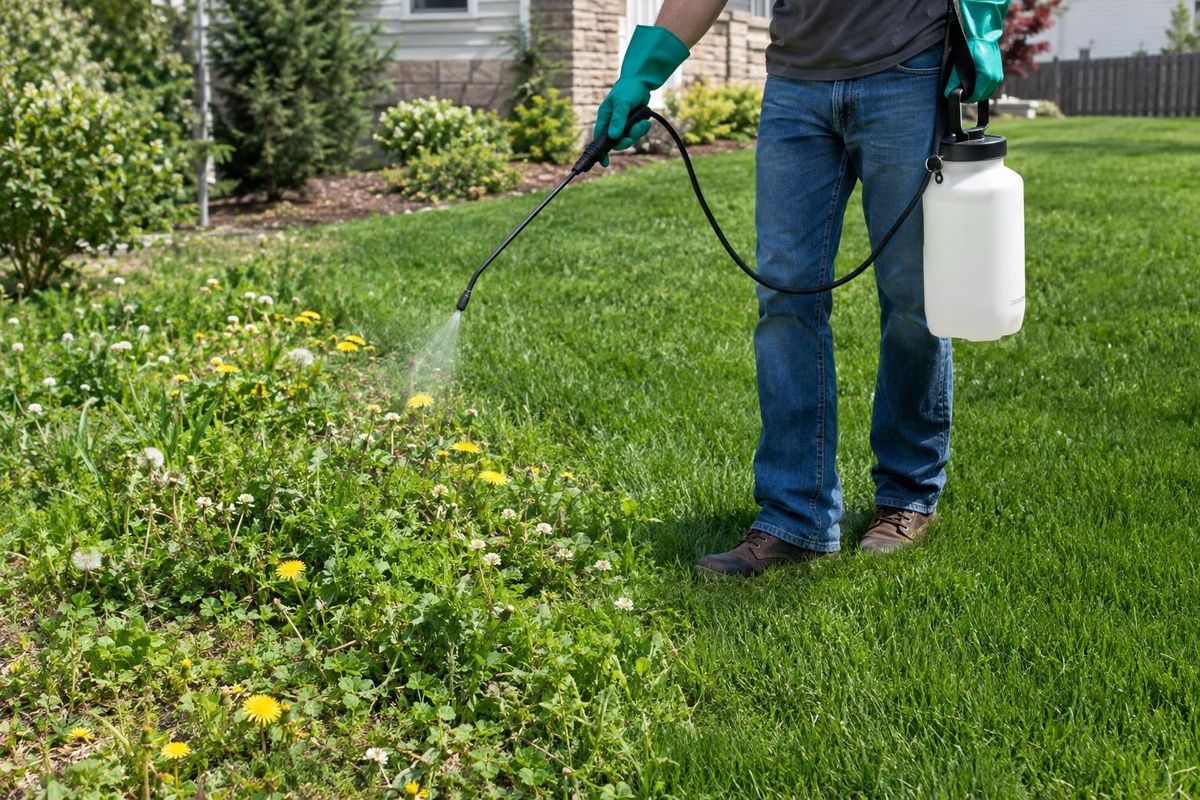
Dandelions, clover and plantain are perennials with deeper roots and respond to broadleaf herbicides.
Cultural control
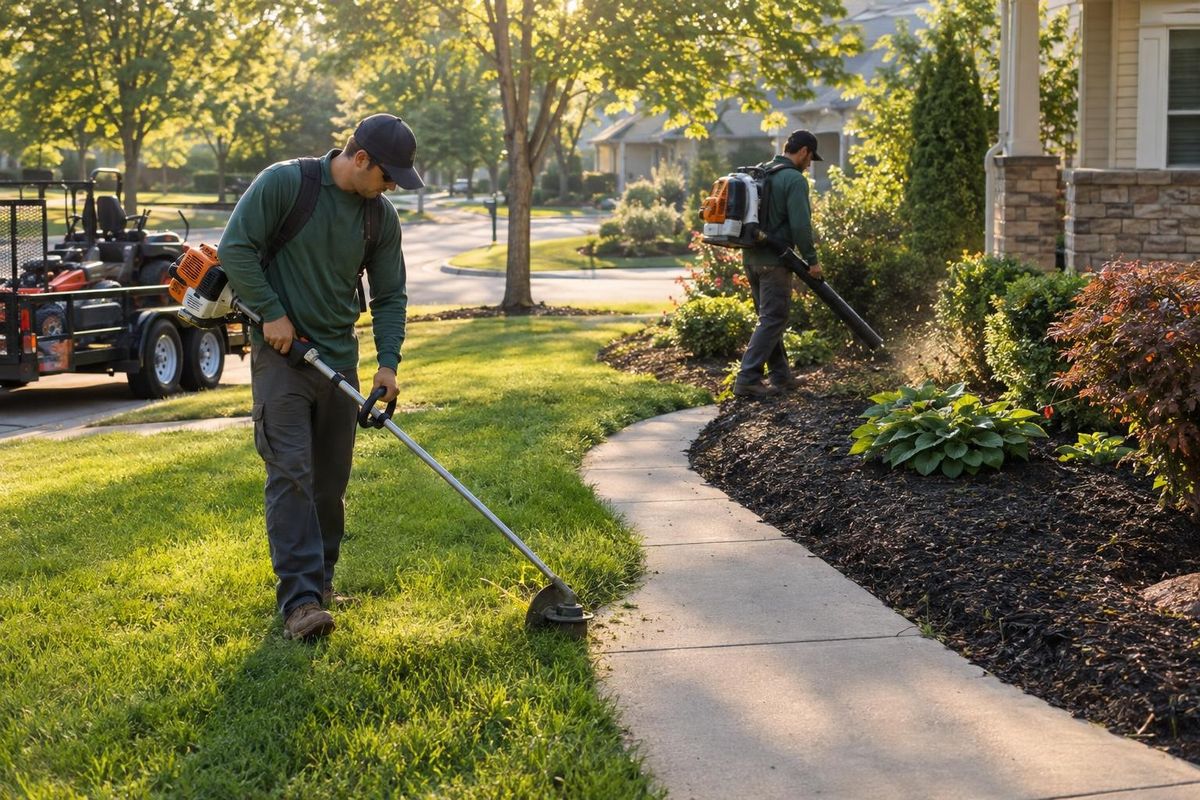
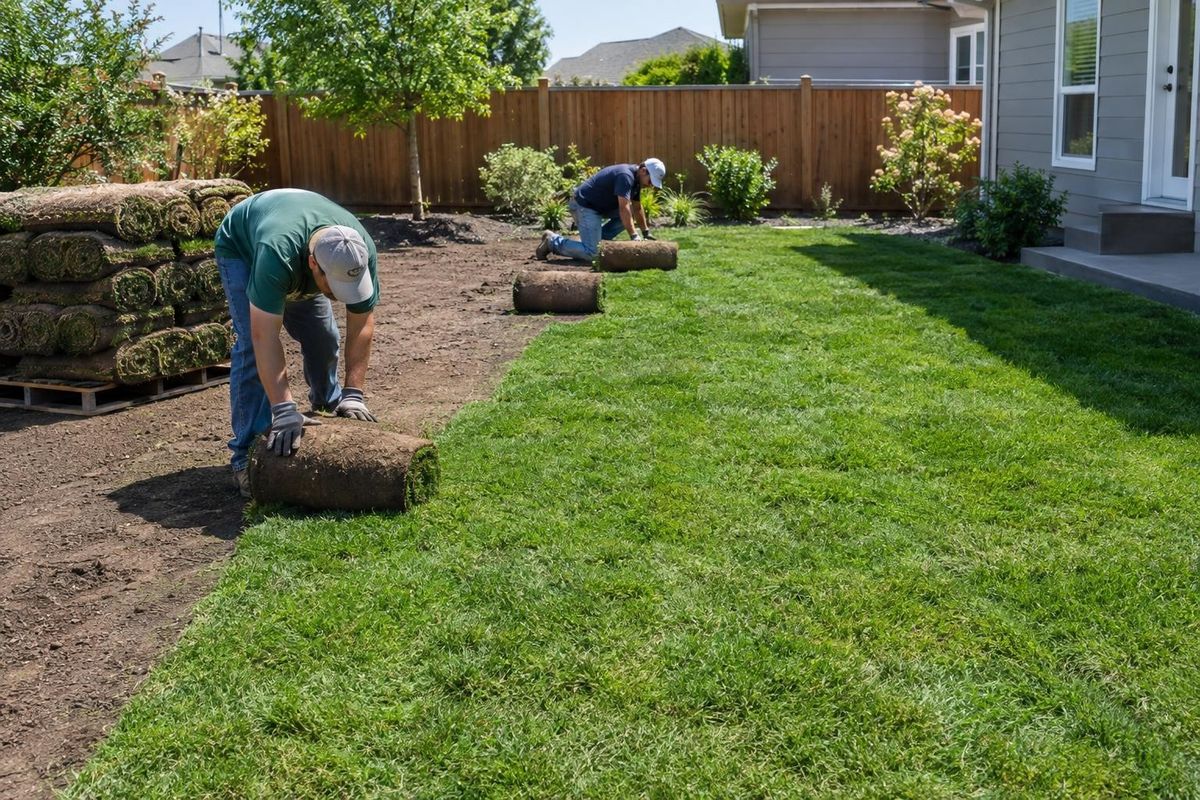
Mow tall, water deeply, feed on schedule and overseed thin areas. Thick turf shades the soil and keeps weed seeds from sprouting.
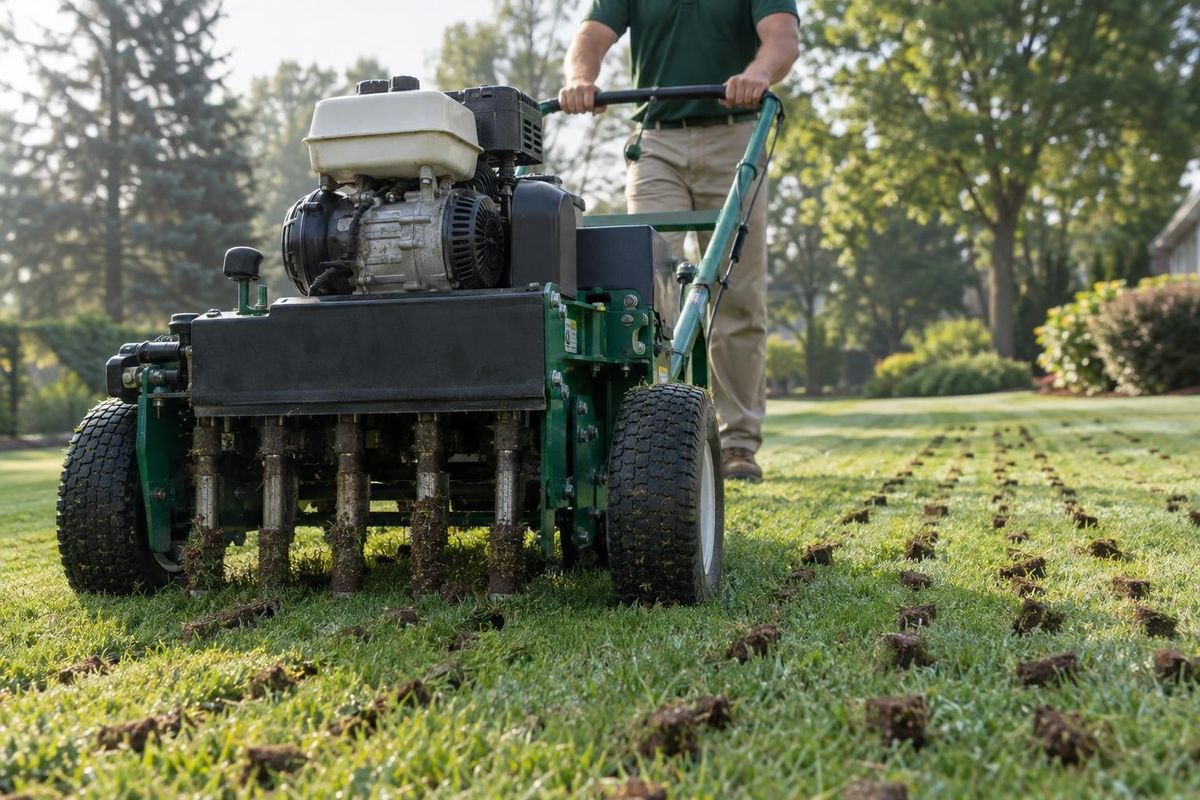
Core aeration relieves compaction that favors weeds.
When to call a pro
If weeds cover more than a fraction of the lawn, or if you cannot identify them, a professional program saves time and avoids mistakes. We tailor weed control for Nashville fescue, bermuda and zoysia lawns.
Always follow label directions and keep pets off treated areas as directed.
Quick answers
Why do my weeds come back every year?
Seeds in the soil keep germinating. A pre-emergent and thicker turf reduce them over time.
Can I kill weeds and seed at the same time?
Generally no. Many weed products stop seed from sprouting, so timing matters.