Key takeaways
- Fescue stays green longer and tolerates shade but struggles in heat.
- Bermuda loves full sun and wear but turns brown in winter and hates shade.
- Zoysia is dense and handsome, slower to establish, and moderately shade tolerant.
- Sun, use and maintenance should drive the decision.
Tall fescue
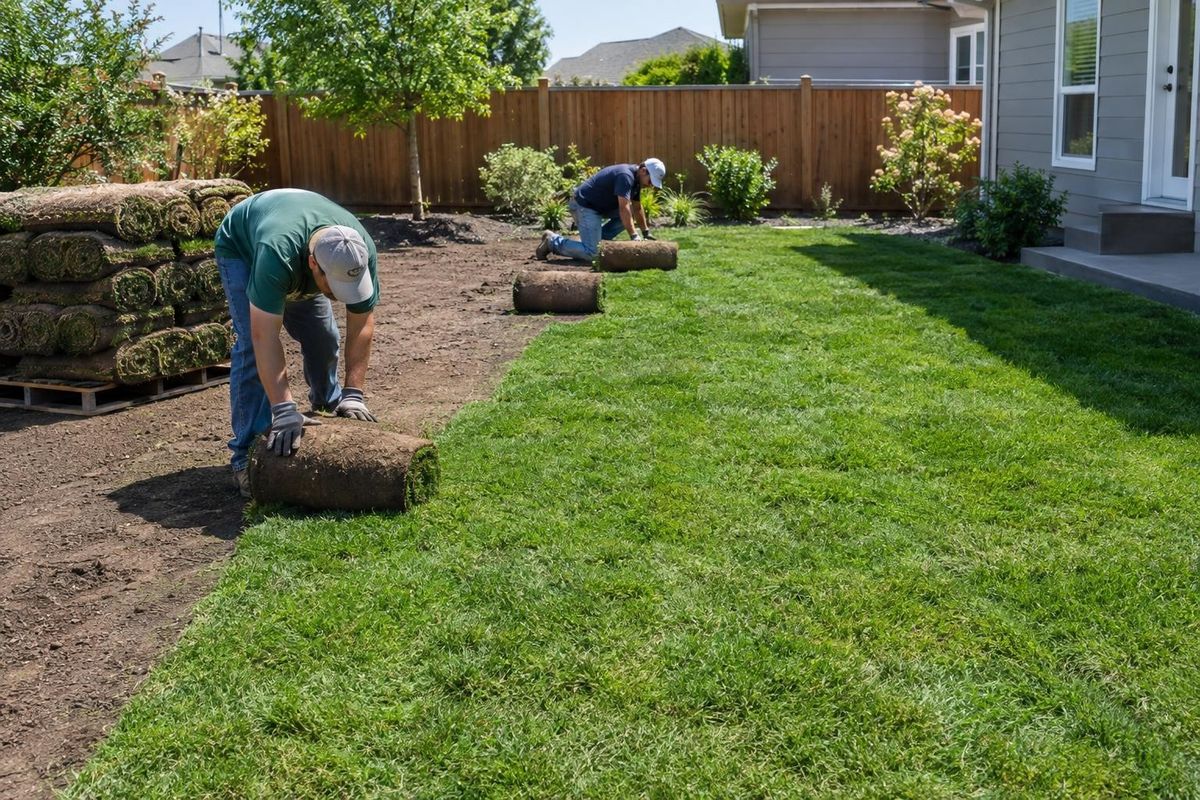
Tall fescue is the most common lawn in the region. It stays green for most of the year, tolerates some shade and is established from seed or sod. It does not spread to fill damage, so it needs overseeding, and hot, humid summers can stress it.
It is a good fit for partly shaded yards where you want green color in cooler months.
Bermuda
Bermuda grass is tough, fast-growing and loves heat and full sun. It spreads quickly, handles heavy wear and recovers fast, which is why it is used on sports fields.
It goes dormant and brown after the first frosts, and it does not grow well in shade.
Zoysia
Zoysia forms a dense, carpet-like turf that crowds out weeds and handles heat and moderate shade. It is slower to establish than bermuda and can build thatch.
It is popular with homeowners who want a premium look and are willing to wait for it to fill in.
How to choose
Start with sunlight: more than six hours favors bermuda or zoysia, while shade favors fescue. Then consider traffic, how green you want it in winter and how much mowing and care you will provide.
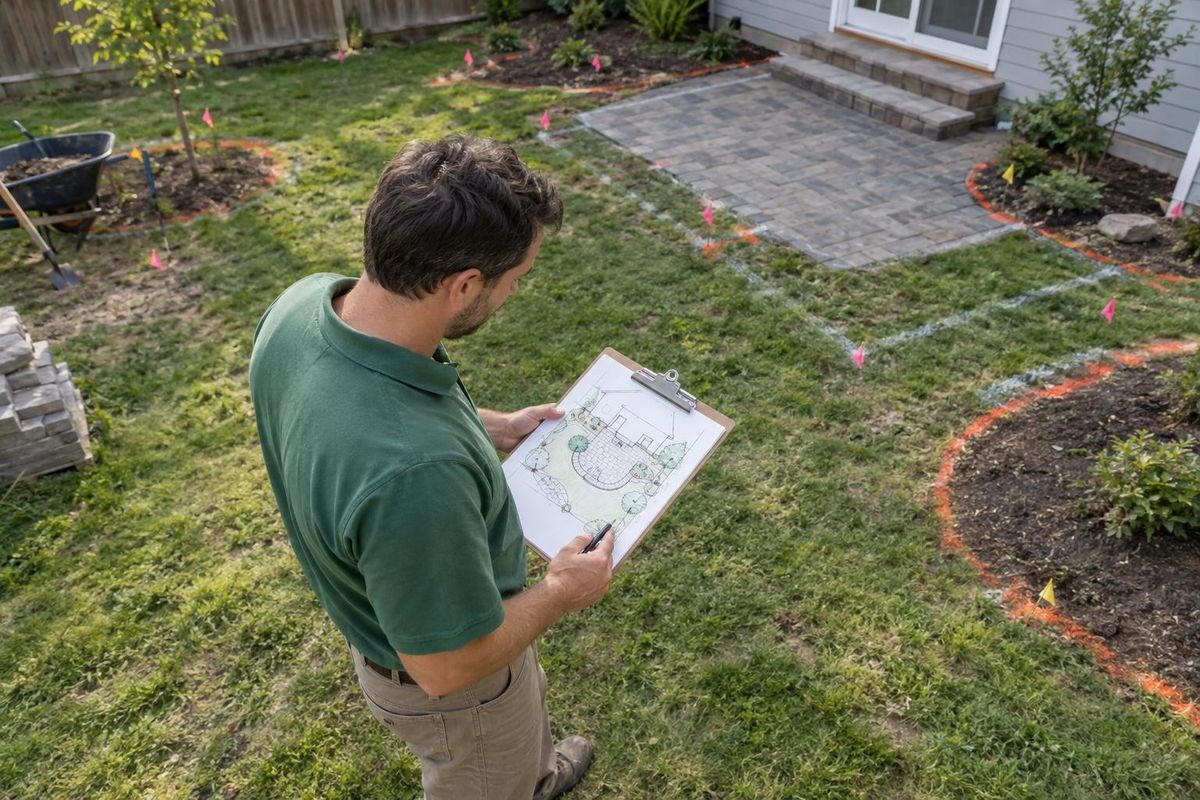
A quick site visit usually settles it, and many yards use different grasses in sun and shade.
Quick answers
What is the transition zone?
It is the climate band where cool-season and warm-season grasses both struggle at times, and Middle Tennessee falls in it.
Can I mix grasses?
It is not usually recommended because they grow differently, but different areas can use different grasses.