Key takeaways
- Cool-season fescue and warm-season bermuda and zoysia need different calendars.
- Spring is for pre-emergent, feeding and mowing; fall is for aeration and seeding.
- Mowing height and watering matter as much as products.
- A written plan keeps you from guessing.
Early spring: February to April
Soil starts to warm and crabgrass seeds get ready to sprout. Apply a pre-emergent weed barrier before soil temperatures reach the mid-50s, mow as growth begins and clean up winter debris.
For warm-season lawns, wait until they green up before feeding, and avoid early nitrogen that feeds weeds.
Late spring and summer: May to August
Fescue is stressed by heat, so raise your mowing height, water deeply and early in the morning and watch for brown patch. Bermuda and zoysia are in their peak growth, and they like regular mowing and summer feeding.
Spot-treat weeds as they appear and keep an eye out for grubs and armyworms.
Fall: September to November
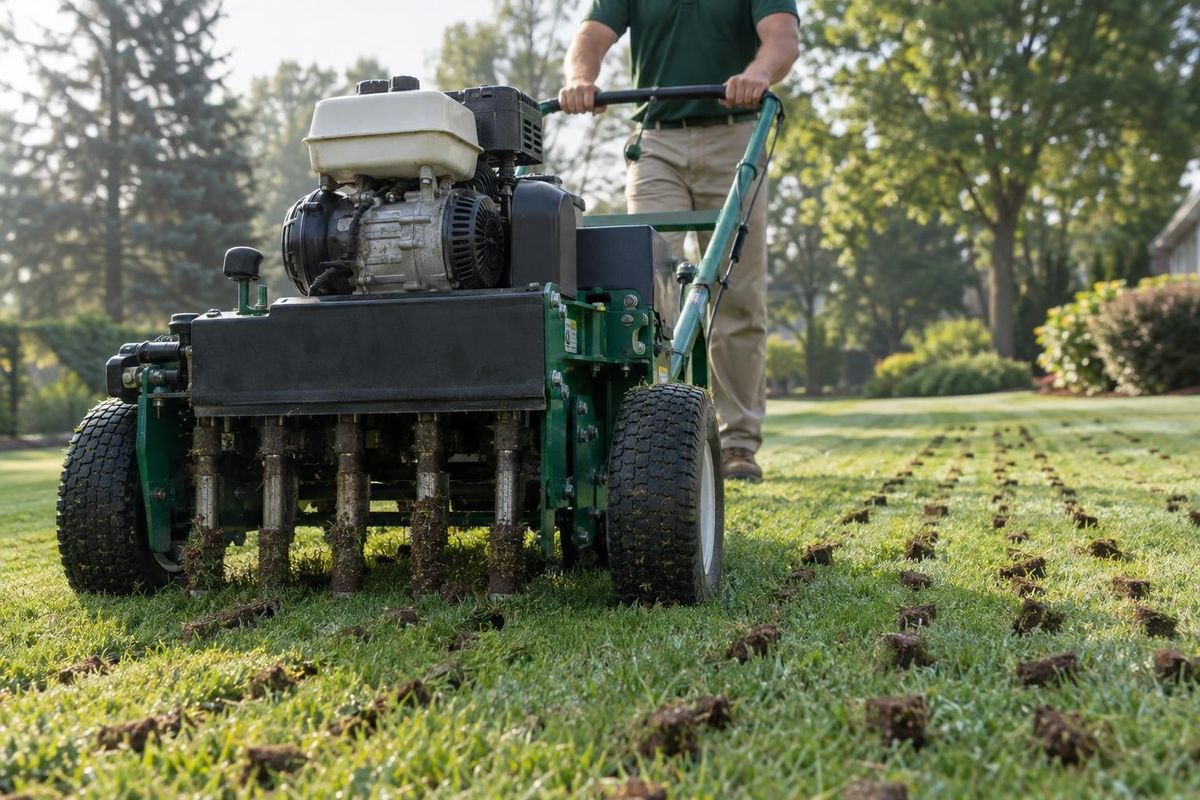
For tall fescue, fall is the season that matters. Core aerate, overseed and feed while soil is warm and weeds are fading. Keep leaves off the lawn and keep seed moist until it sprouts.
Warm-season grasses get a last mowing and a winter-prep fertilizer in early fall, then go dormant.
Winter: December to January
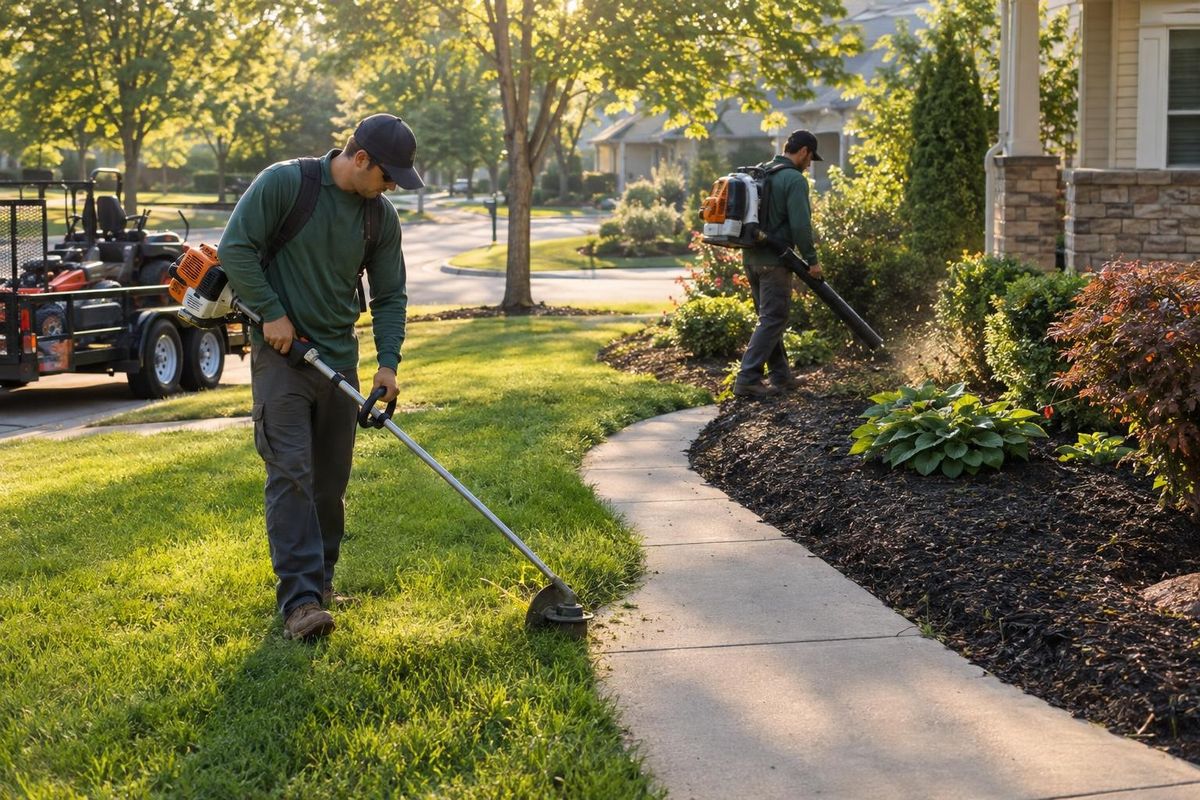
Dormant lawns need little beyond keeping leaves off, limiting traffic on frozen turf and planning for spring. This is a good time to service equipment, schedule spring cleanup and review last season.
Around Nashville, many homeowners book their spring program in winter to get on the schedule.
Quick answers
When should I put down crabgrass preventer?
In early spring, before soil temperatures reach the mid-50s, usually mid-March in Middle Tennessee.
When is the best time to fertilize fescue?
Fall is most important, with lighter feedings in spring.