Key takeaways
- Group plants by water and sun needs.
- Fewer, larger beds and generous mulch reduce weeding.
- Choose plants that mature to the space you have.
- Drip irrigation and clean edges save time all season.
Start with the plan
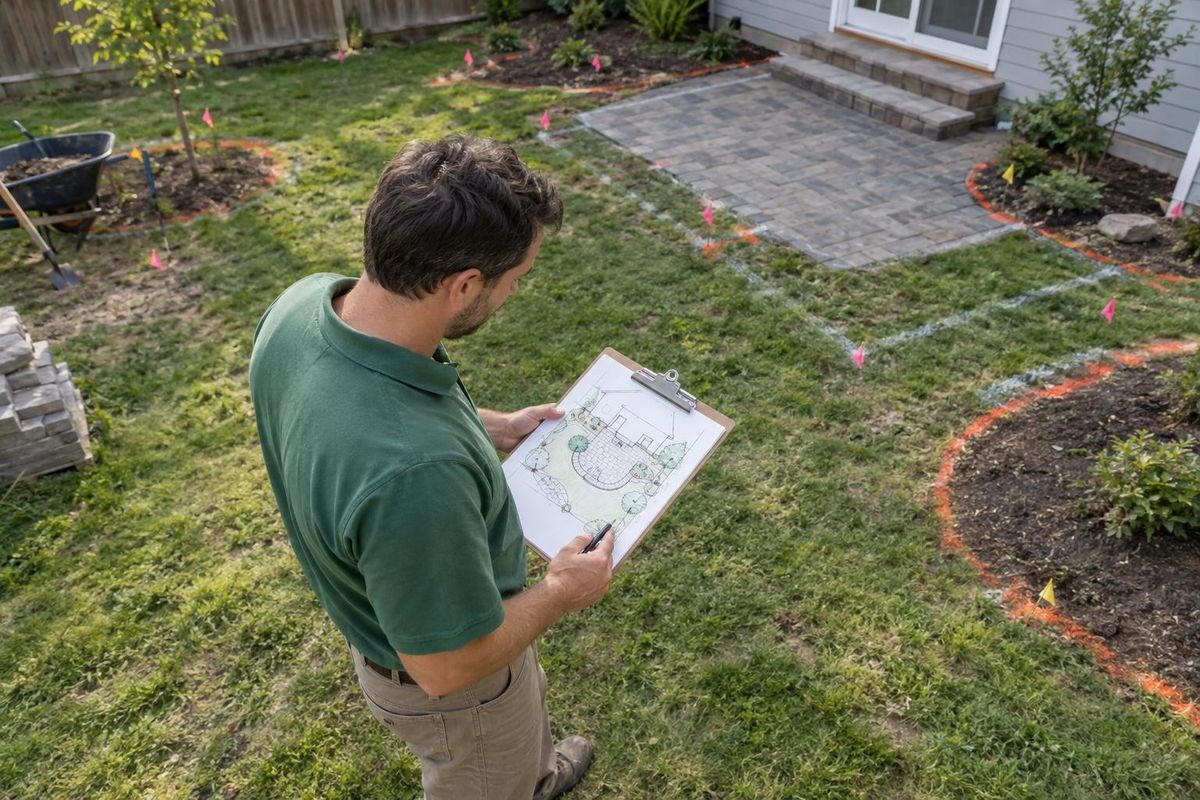
Low maintenance begins with putting the right plant in the right place. Plants that outgrow their spot need constant pruning, and plants in the wrong light struggle and need care.
Sketch the sun and shade patterns, then match plants to each zone.
Reduce the lawn and the edges
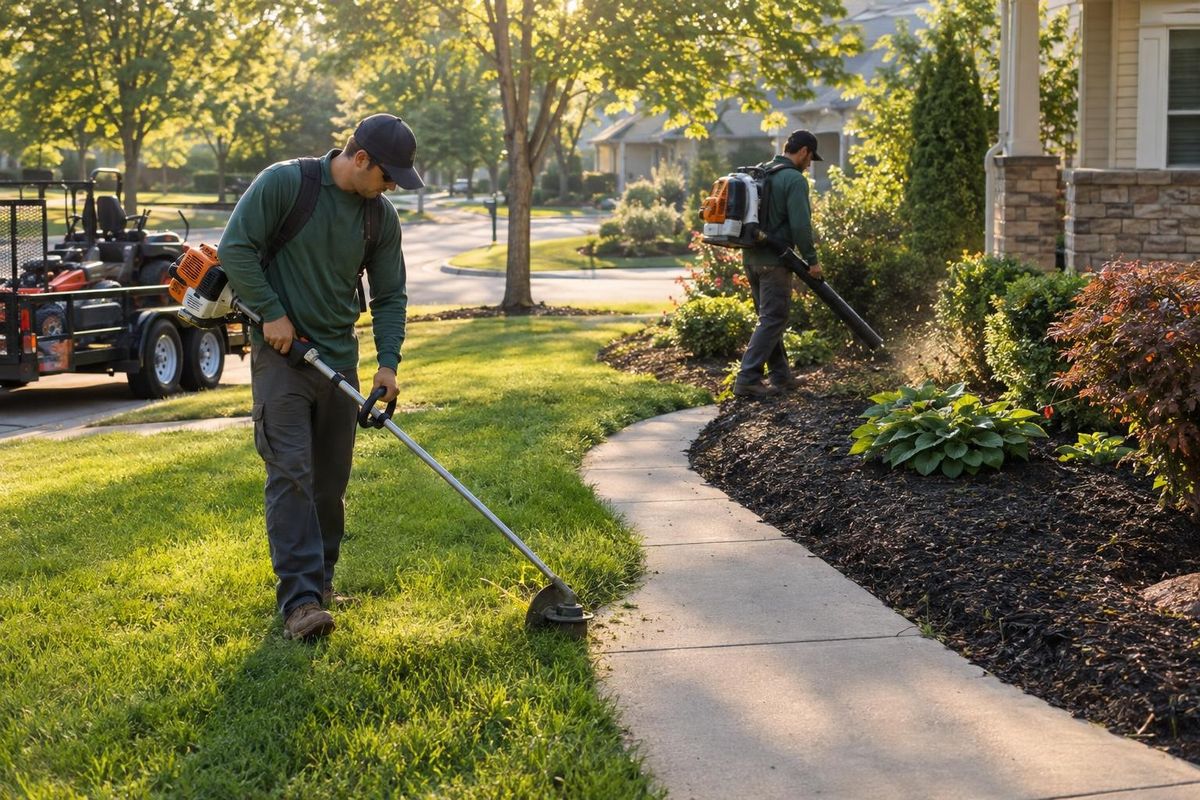
Mowed lawn is one of the largest regular tasks. Replacing hard-to-mow slopes and narrow strips with beds or groundcovers cuts work. Simple, curved bed lines are easier to mow around than lots of small islands.
Crisp edging keeps lawn grass out of beds.
Mulch and irrigate smartly
A two- to three-inch layer of mulch suppresses weeds and holds moisture. Drip irrigation puts water where roots are and leaves weeds dry.
A smart controller adjusts schedules for rain and temperature.
Choose tough plants
Natives and hardy cultivars such as coneflower, black-eyed Susan, ornamental grasses, boxwood and certain hollies handle Tennessee weather with little help. Keep exotic or fussy plants to a few focal points.
Nashville homeowners who want little work should ask for plant lists that include mature sizes.
Quick answers
Can a landscape be zero maintenance?
No. But good design can reduce it to a few visits a year.
Is hardscape low maintenance?
Patios and walkways need less than lawn, but they still need occasional cleaning.