Key takeaways
- Water deeply and less often rather than a little every day.
- Early morning is the best time to water.
- New plants and sod need much more frequent water at first.
- Smart controllers adjust to weather and save water.
How much does a lawn need?
Most lawns want about one inch of water a week from rain and irrigation combined. A tuna can or rain gauge on the lawn tells you how long your sprinklers take to deliver it.
Deep, infrequent watering encourages deep roots and drought tolerance.
When to water
Water in the early morning, when it is cooler, the wind is calm and grass has time to dry in the sun. Evening watering leaves grass wet overnight, which invites fungus like brown patch.
Avoid watering during the heat of the day, when much of it evaporates.
New sod, seed and plants
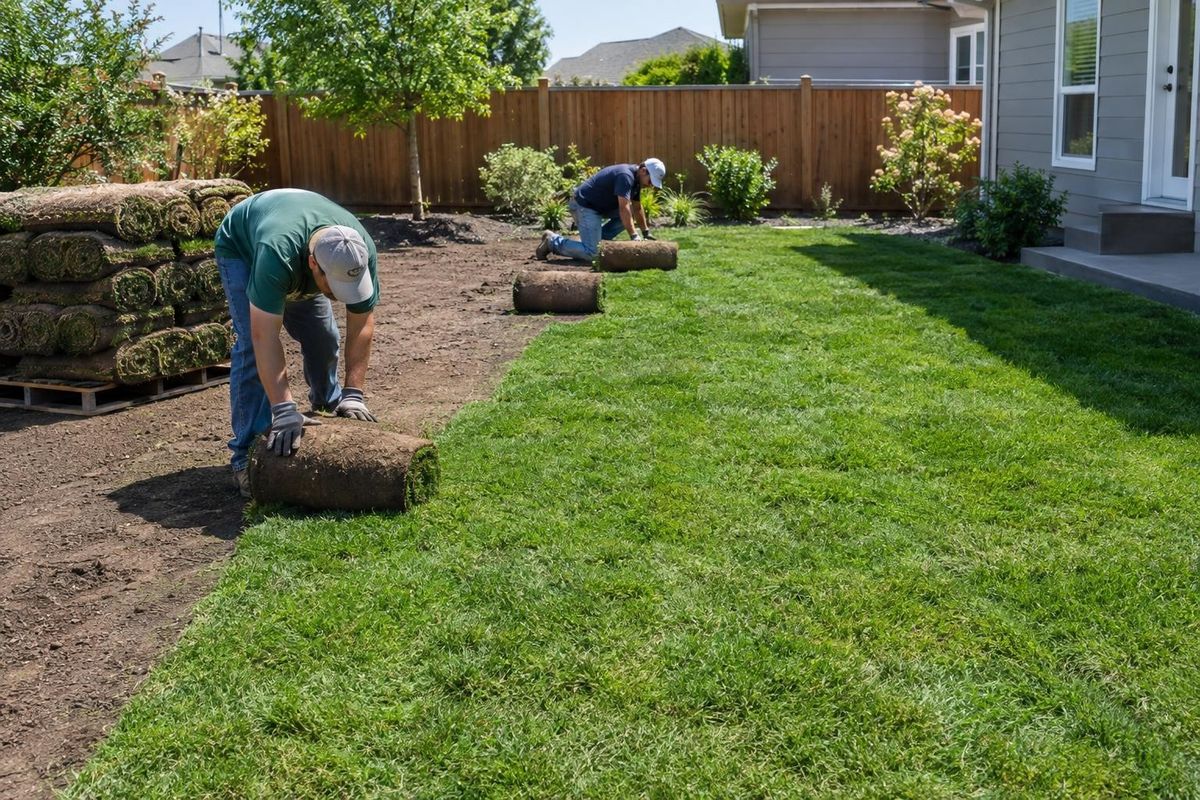
New sod and seed need to stay moist daily for the first couple of weeks. New trees and shrubs need deep watering a few times a week through the first season, then taper off.
Drip irrigation delivers this efficiently to beds and shrubs.
Irrigation systems
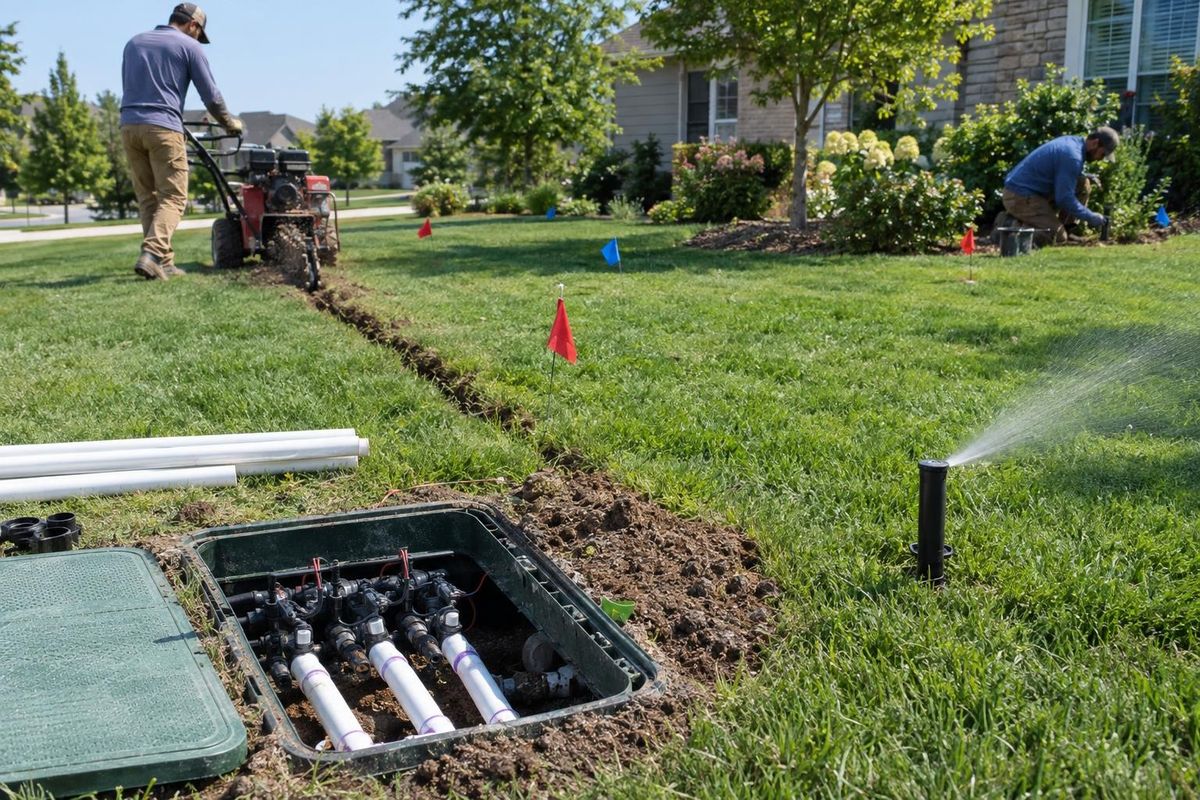
A well-designed system with zones for turf, shrubs and beds, plus a rain sensor and smart controller, saves effort and water. Have it checked every spring and winterized each fall.
If your yard has dry spots or puddles, a check of heads and coverage usually finds the cause.
Quick answers
How do I know if my lawn needs water?
Grass blades that stay flat after you walk on them, or turn blue-gray, signal thirst.
Should I water in winter?
Rarely, unless there has been a long dry spell and the ground is not frozen.