Key takeaways
- Fall is the best season for fescue work and for planting trees and shrubs.
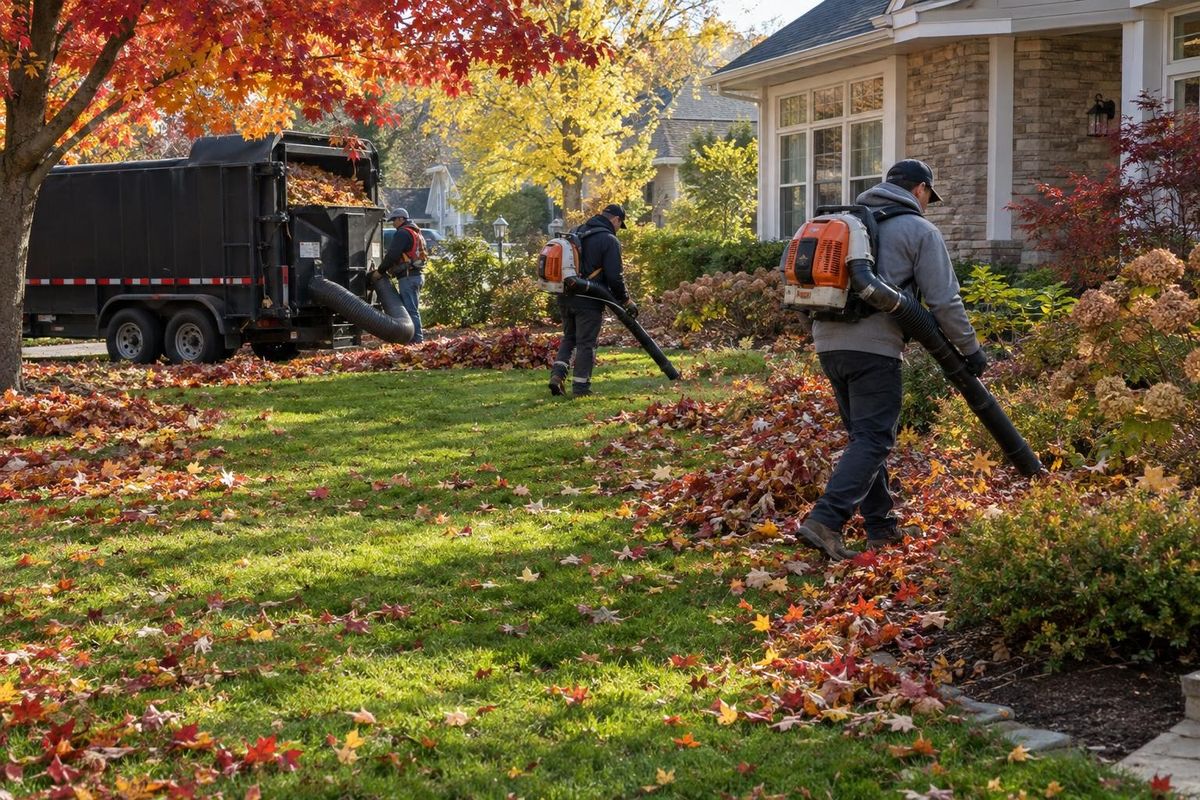
- Clear leaves before they smother the lawn.
- Winterize irrigation before the first hard freeze.
- Prune dormant plants in late winter, not fall.
Lawn tasks
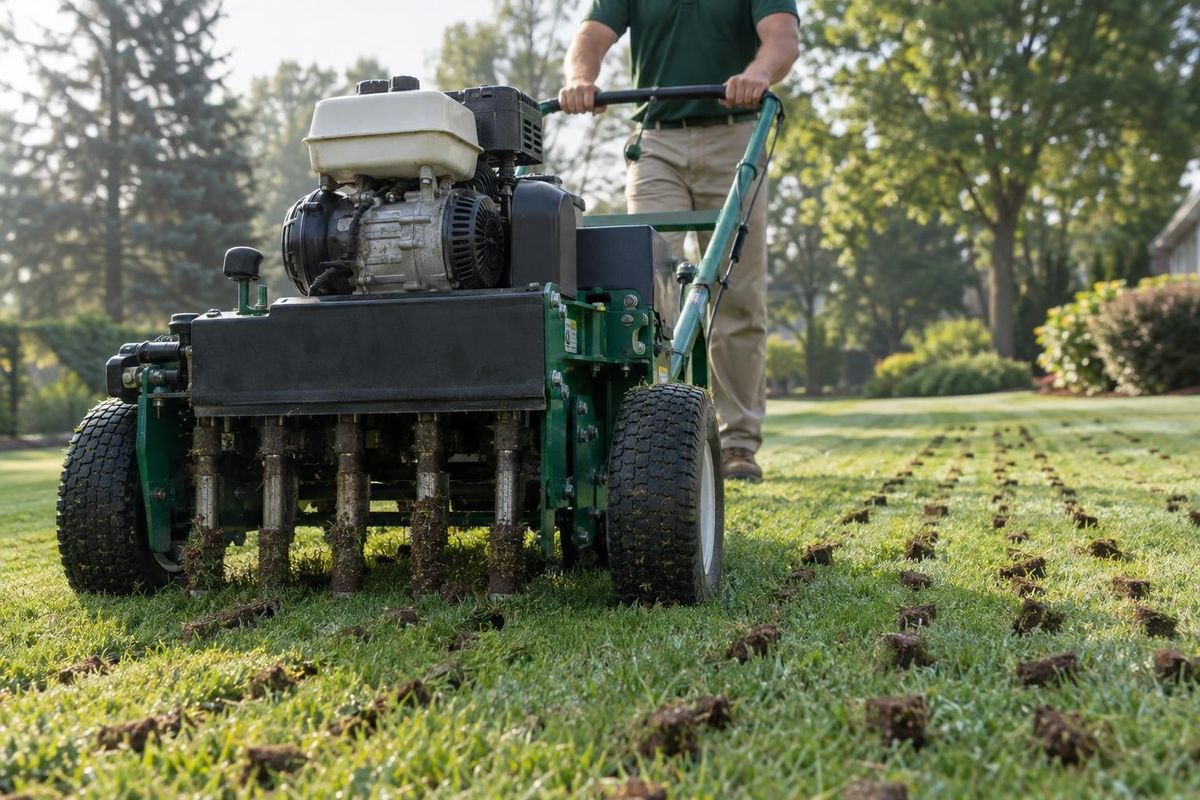
Aerate, overseed and feed fescue lawns in early fall. Keep mowing until growth stops and lower the height slightly for the last cuts. Remove leaves regularly so they do not smother the lawn.
Apply a fall pre-emergent for winter weeds if you have had problems.
Beds, trees and shrubs
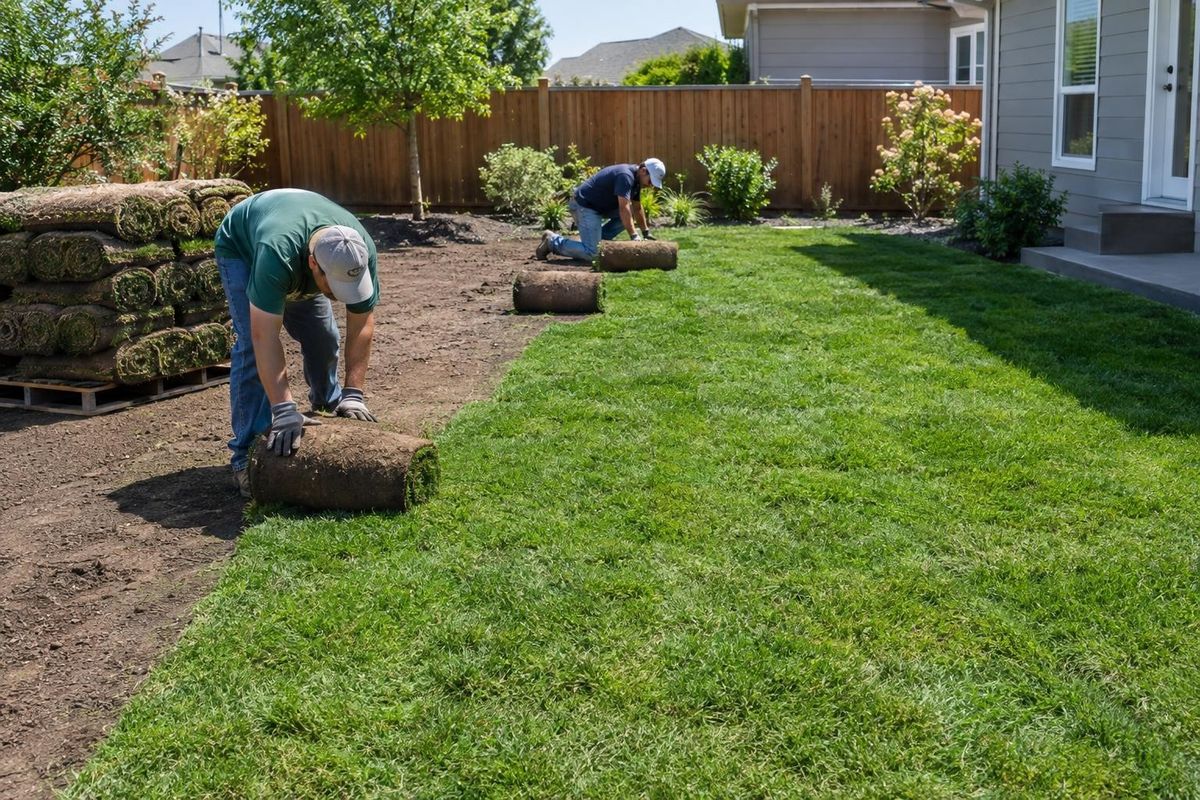
Fall is ideal for planting trees, shrubs and perennials, because roots grow while the air cools. Cut back spent perennials, refresh mulch and plant pansies and mums for color.
Wait to prune most shrubs until late winter or after they bloom.
Irrigation and equipment
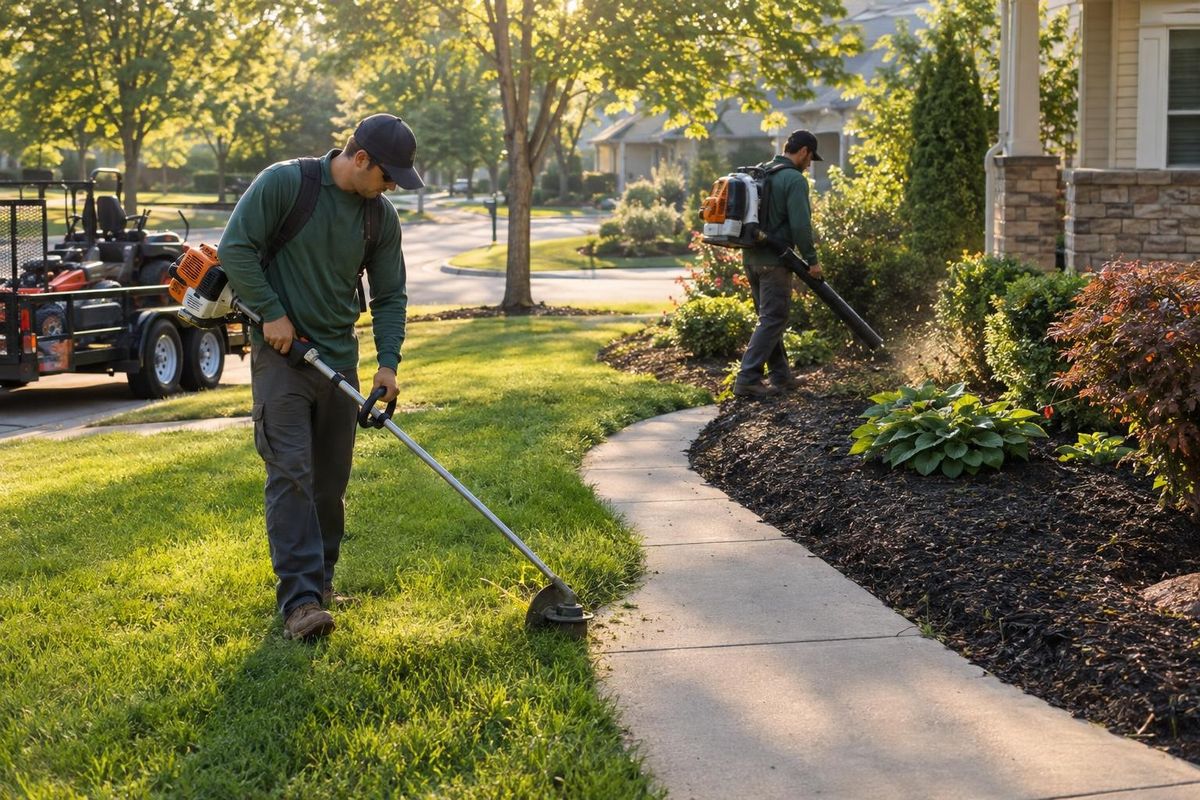
Blow out irrigation lines before the first hard freeze, usually late October to mid-November, and shut off outdoor spigots. Drain hoses and service mowers and trimmers before storing them.
Disconnect and drain pumps and fountains if they cannot run over winter.
Winter planning
Winter is a good time to plan changes: design a new bed, schedule hardscape, book spring cleanup and get on your lawn-care calendar.
We book design consults in Nashville through winter so projects can begin in early spring.
Quick answers
When should I stop mowing?
When the grass stops growing, usually in late November.
Can I plant in winter?
Dormant trees and shrubs can go in on mild days, but fall and early spring are best.